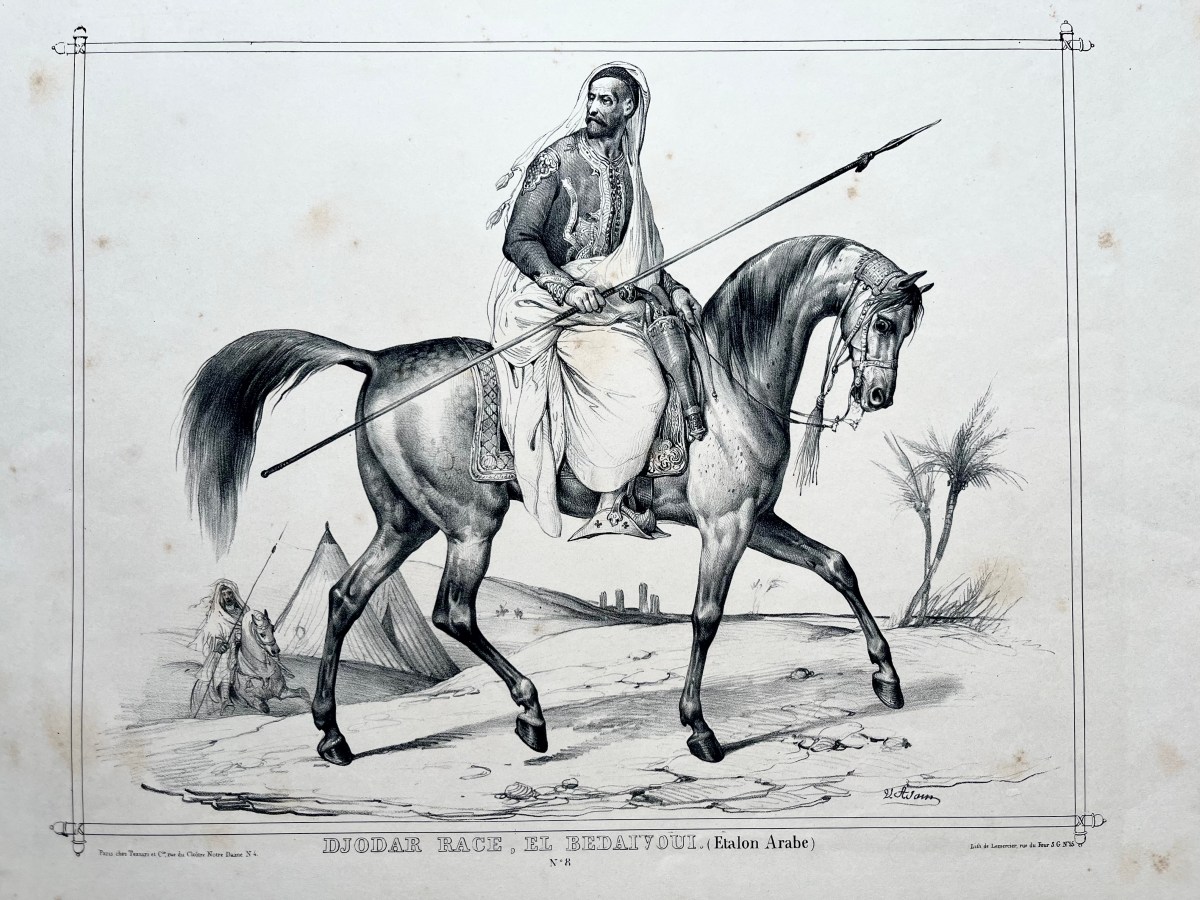
The Art of Victor Adam – Refinement and Elegance
Victor Adam depicted European noblemen and generals riding Arabians. He was an avid follower of Napoleon Bonaparte, immortalizing him in numerous pictures. Victor Adam’s portraits show Napoleon with his favorite Arabian stallion, as well as European kings and queens with their steeds. His works comprise also unique pictures of Spahis or of Islamic leaders, as…
Announcement!
Rania Elsayed would like to thank the Council of the Royal Historical Society for approving her membership application. The Royal Historical Society is a learned society of the United Kingdom, which was founded and received its Royal charter in 1868. This is the second Royal Society in which Rania is a member, the first one…
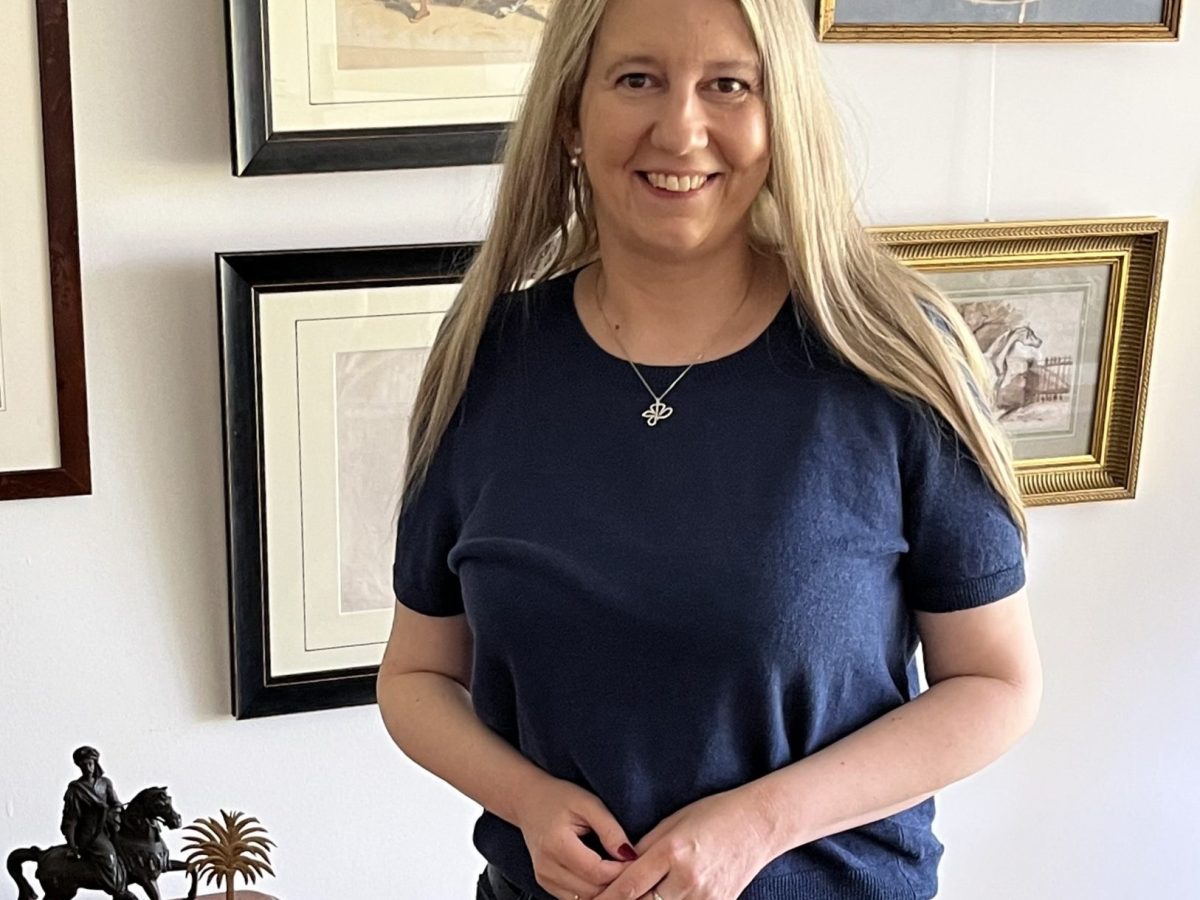
Welcome, Judith Wenning!
The Horse in Word and Picture welcomes Judith Wenning, another authority on equine art and a breeder of Straight Egyptian Arabian horses, who agreed to write for the blog’s readers. As the tradition goes, Rania Elsayed (the main author and owner of this blog) asked Wenning to introduce herself. Judith Wenning (born Judith Wich) has…
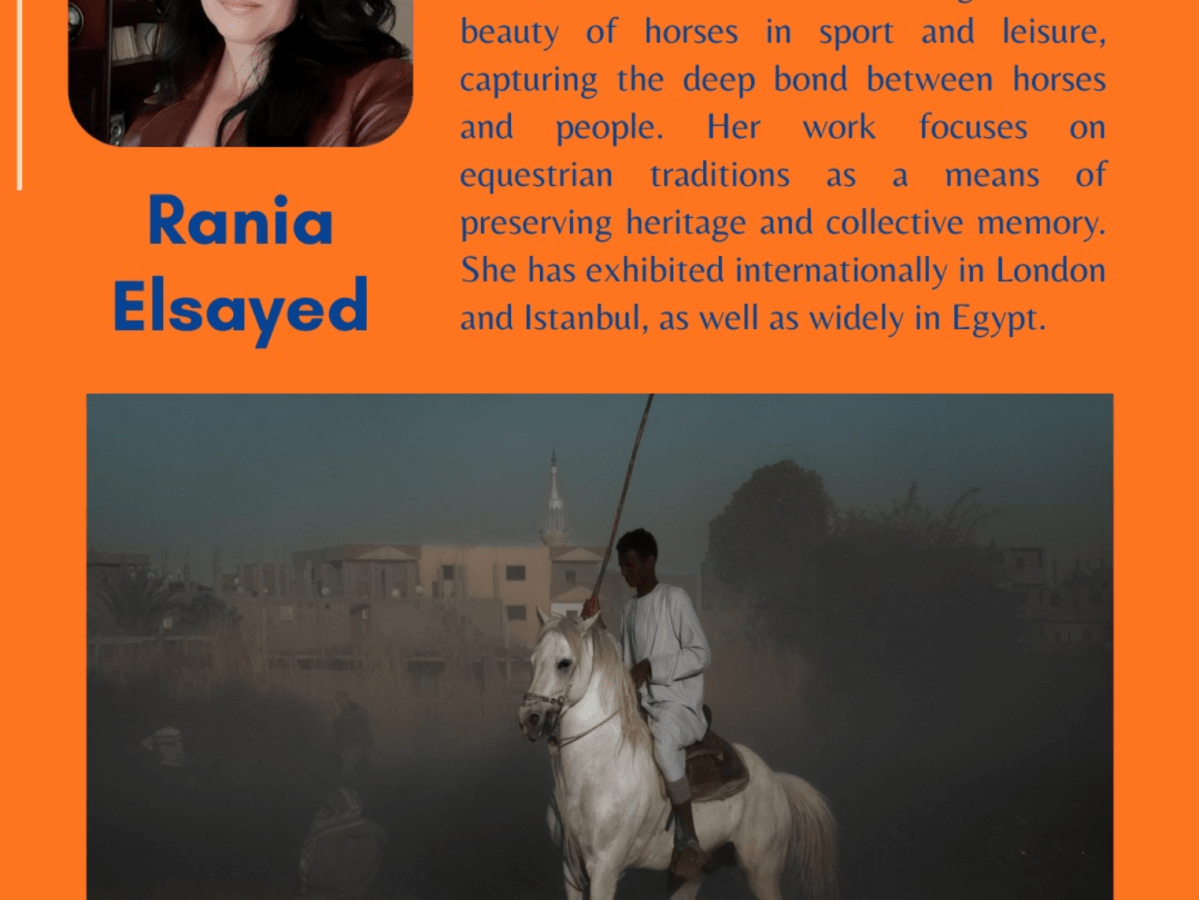
PDA 2026
Rania Elsayed’s photography of Arabian horses and equestrian traditions of Upper Egypt have been selected, for the second year in a row, by the committee of the annual art fair Printemps des Artistes (PDA). Rania Elsayed will exhibit 5 fine-art photographs of limited edition (including the one shown in the above image) printed on cotton…

Vernet: A Family of Painters
Four Generations of Painters Spanning More Than Three Centuries (1689–1863) Written by: Claudia Dijkstra Crommelin*1 The first generation of this celebrated family was Antoine Vernet, born in Avignon in 1689 and died in 1753. Antoine was a painter of landscapes and a decorator of carriages. He had 22 children, of whom only 13 survived; four…
Welcome, Claudia Dijkstra!
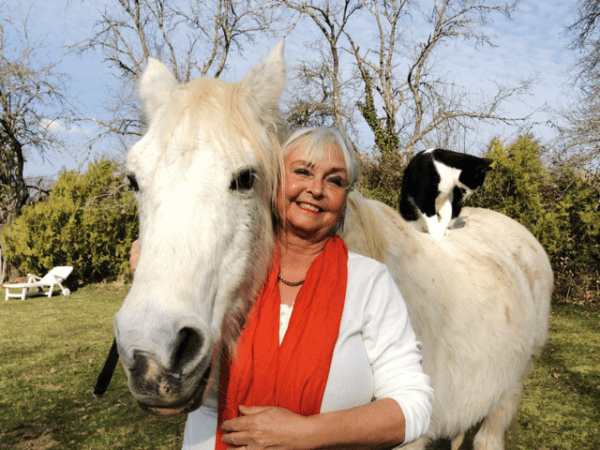
The Horse in Word and Picture would like to welcome another authority on Arabian horse breeding and on Arabian horse prints and books. Claudia Dijkstra has kindly agreed to write for the blog, and to share her knowledge with our cherished readers and the broader Arabian horse community. The following is the short biography that…
Welcome, Joseph Ferriss!
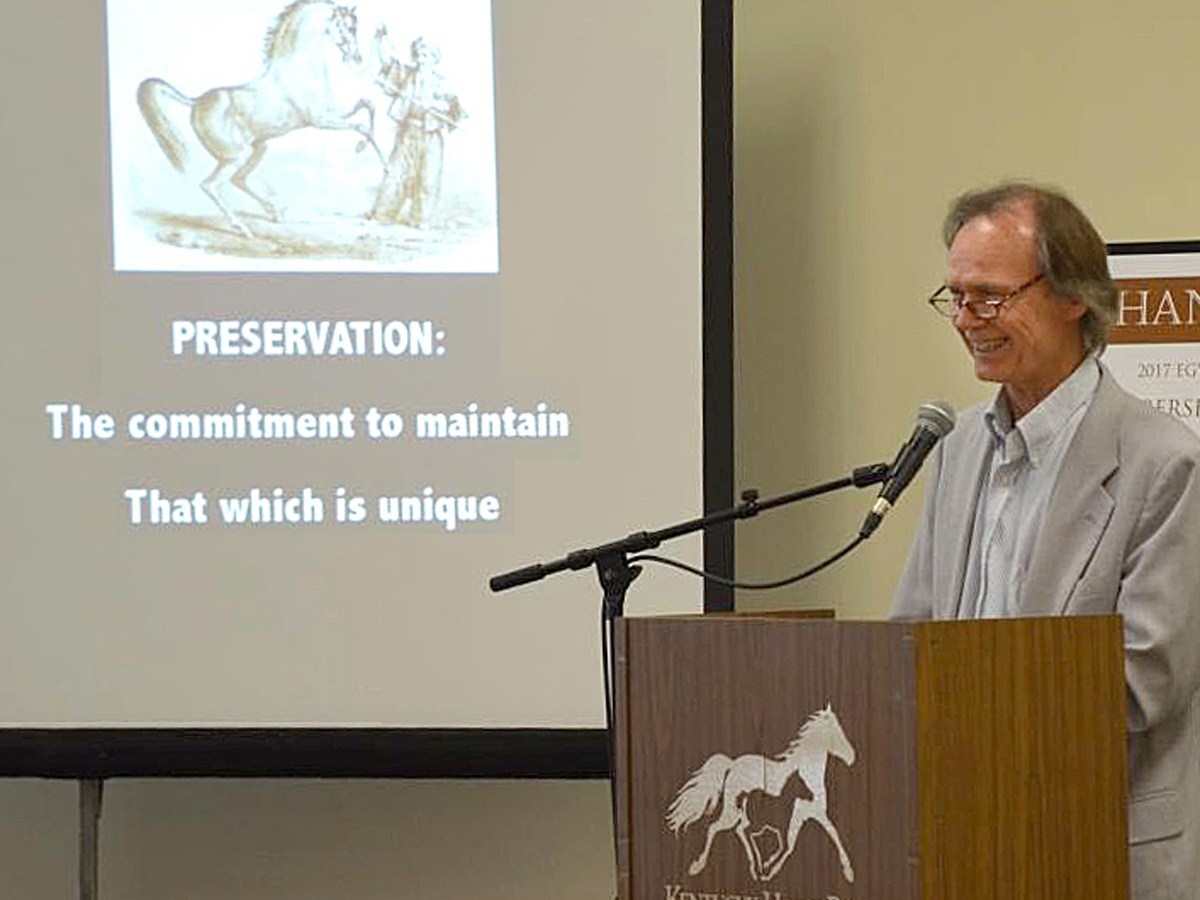
Joseph Ferriss will collaborate with me on presenting food for thought to SE and all Arabian horse breeders.
Al-Mirmah in International Publications
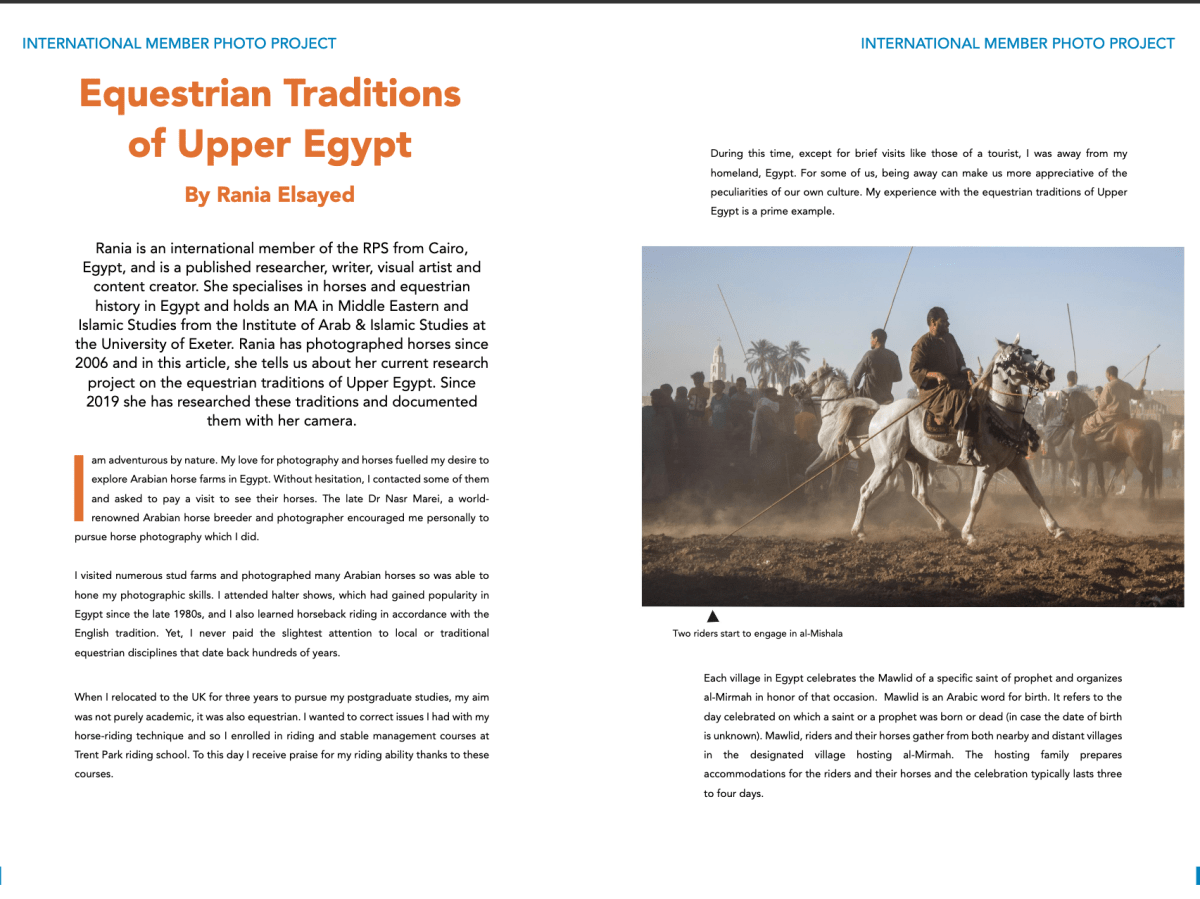
In the International Members e-Magazine, one of the publications of RPS, published an article I wrote about my current photo project on al-Mirmah, one of Upper Egypt’s equestrian traditions.
RAS Studbooks After 1952
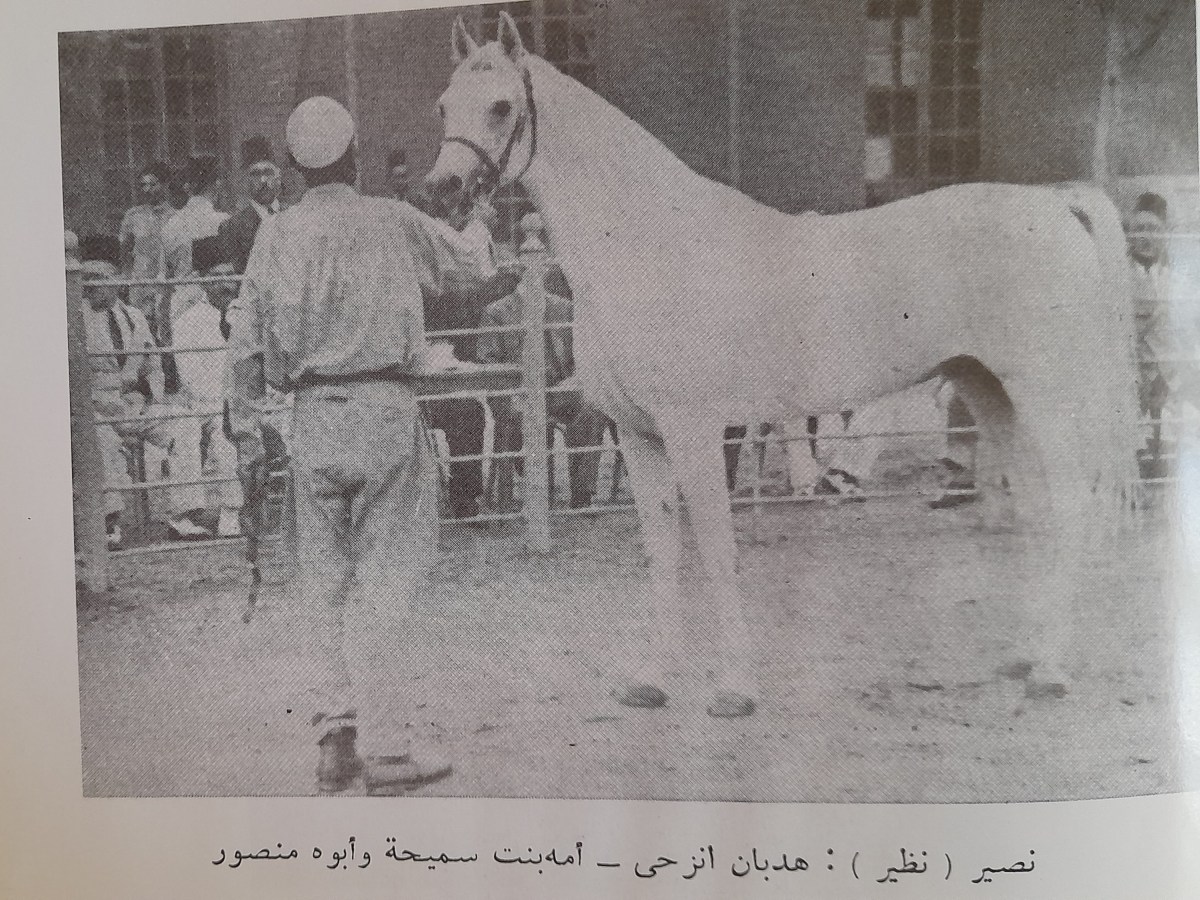
A case study of RAS Vol. I also known as History of Arabian Horse Breeding in Egypt For the purpose of providing accurate transliteration and pronunciation of some Arabic words and names, I have used the Arabic romanization system used by the Library of Congress. It has been almost 18 years since I bought RAS…
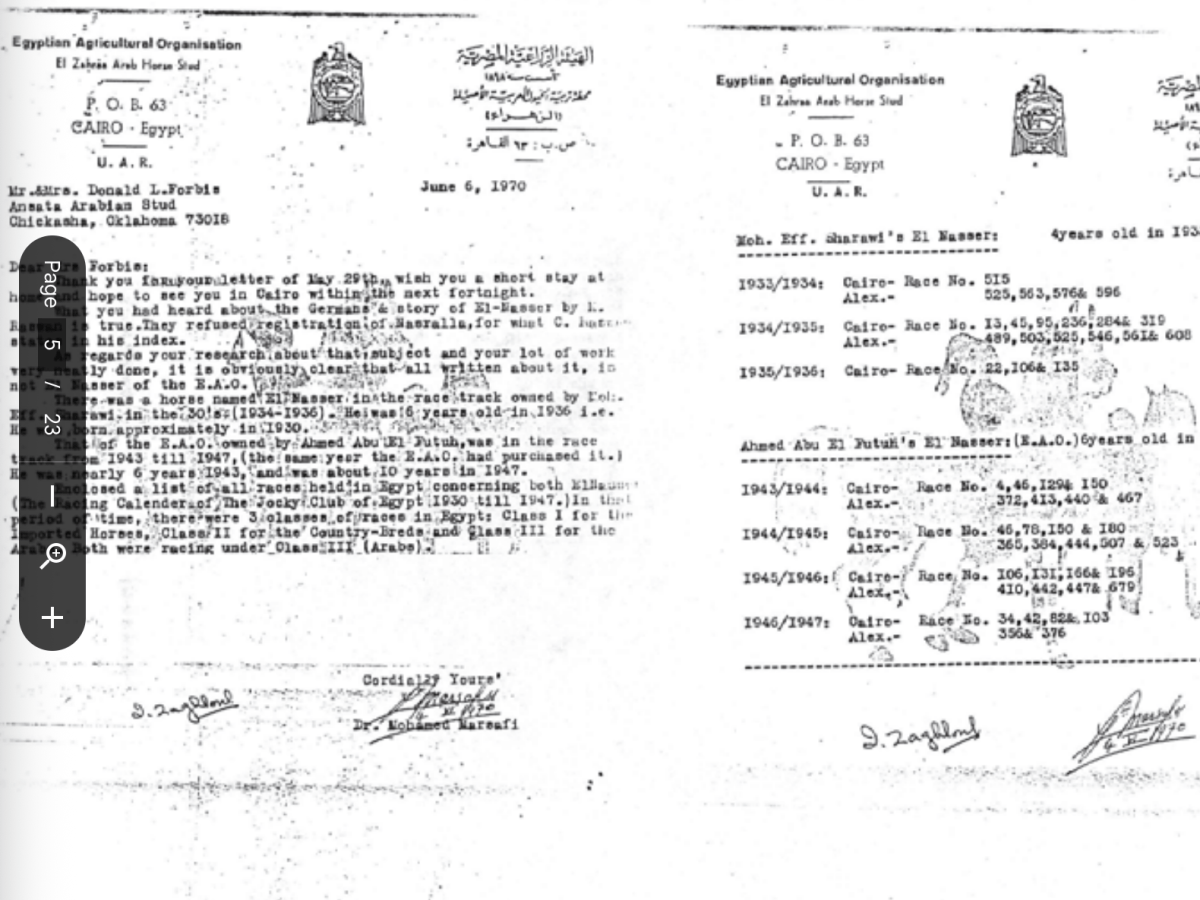
El Nasser Shaarawi
Shaarawi’s El Nasser was an Arabian horse, six years old in 1936, who began his racing career in 1933/1934 at the age of four. This information can easily cause confusion, as anyone reading that entry in the calendars might mistake Shaarawi’s El Nasser with the Anglo-Arabian El Nasser, who never set foot in Egypt.
Something went wrong. Please refresh the page and/or try again.
Follow My Blog
Get new content delivered directly to your inbox.

