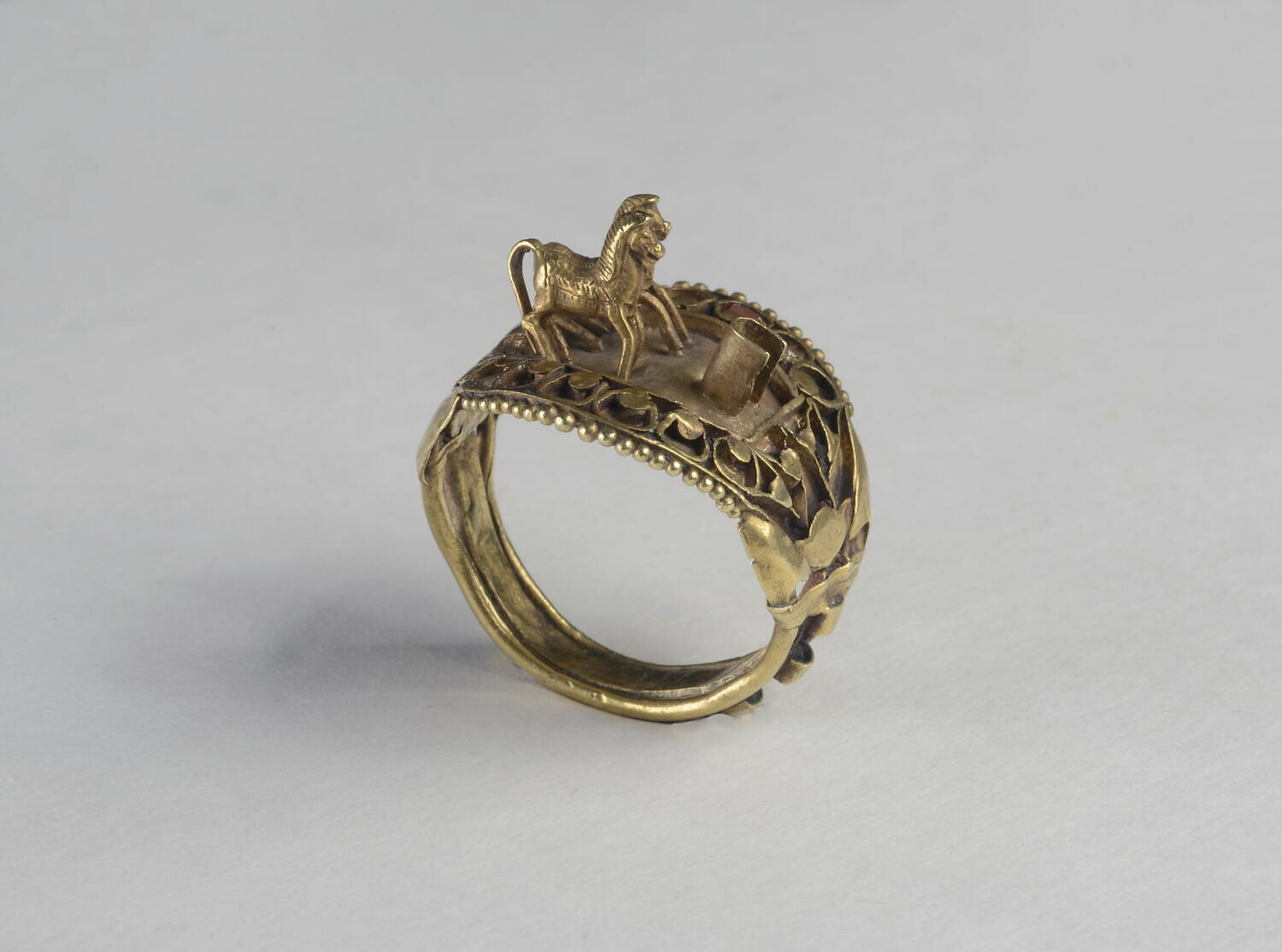
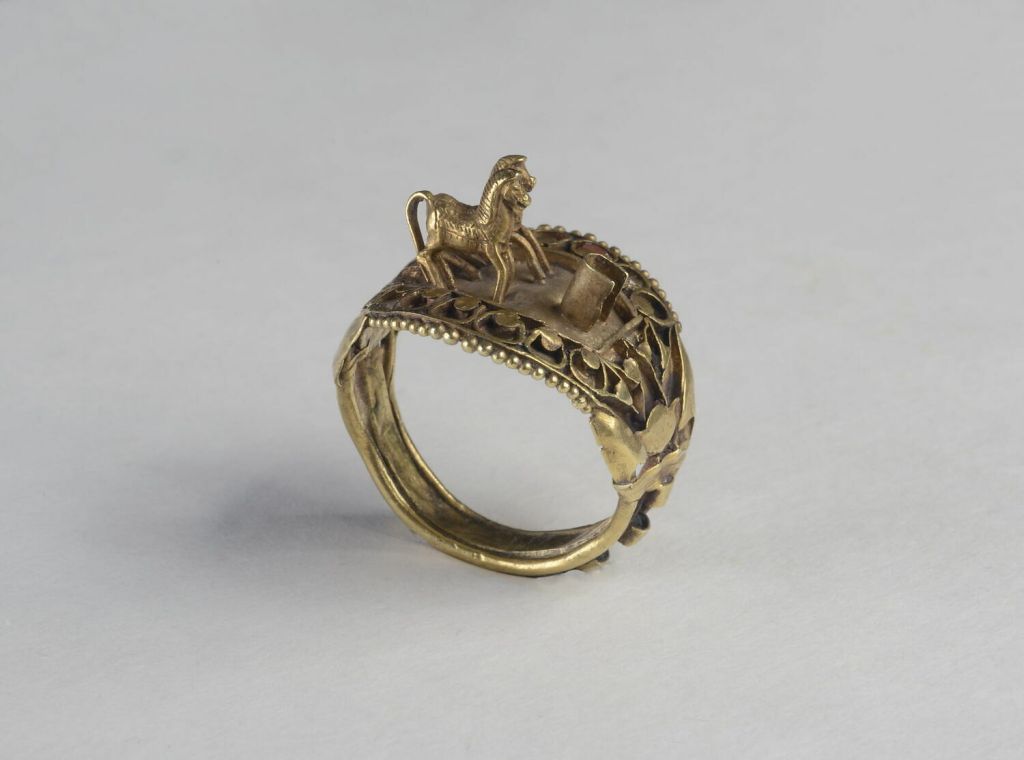
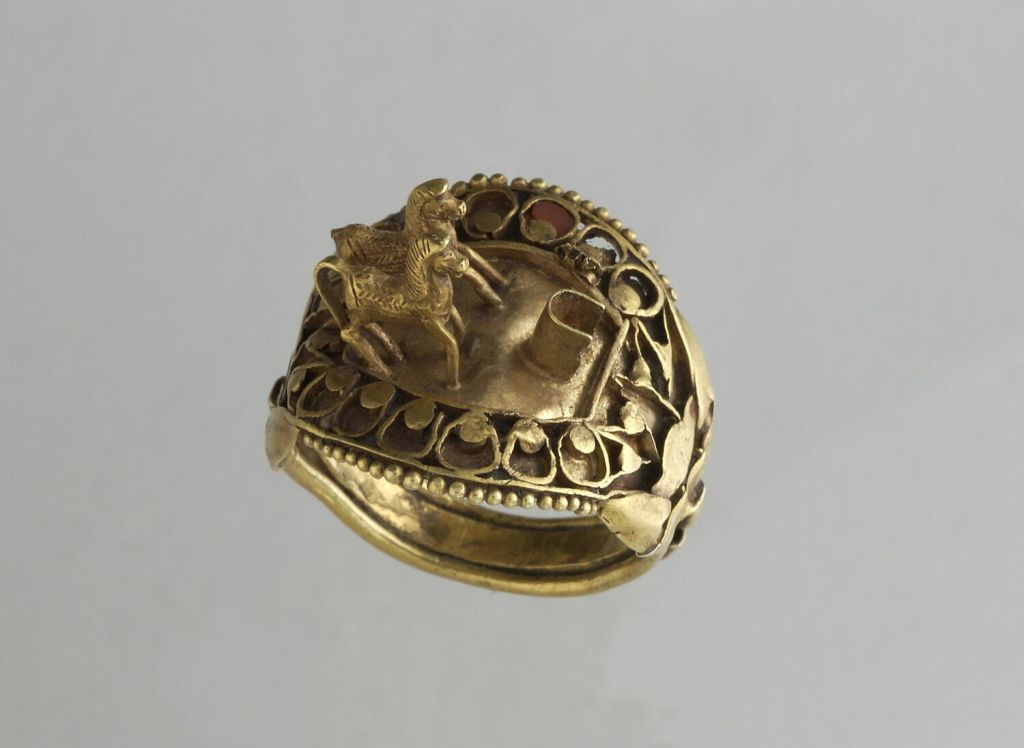
The ring shown in the picture above is displayed at the Louvre Museum in Paris, France. It dates back to the Ramesside period, specifically the end of the 19th Dynasty.
It is believed to have been commissioned and owned by Ramesses II. He had this ring commissioned to commemorate his two mares. They drew his chariot in the Battle of Kadesh which the Egyptians fought against the Hittites, resulting in a peace treaty. The two mares, one named Victory at Thebes and the other Mut is Content, were said to have saved the Pharaoh’s life during the battle, which is why Ramesses decided to immortalize them in the form of this gold ring. The ring is made of pure gold, carnelian, and lapis lazuli.
The question is: How did it end up on display at the Louvre Museum?
Source: Wikipedia
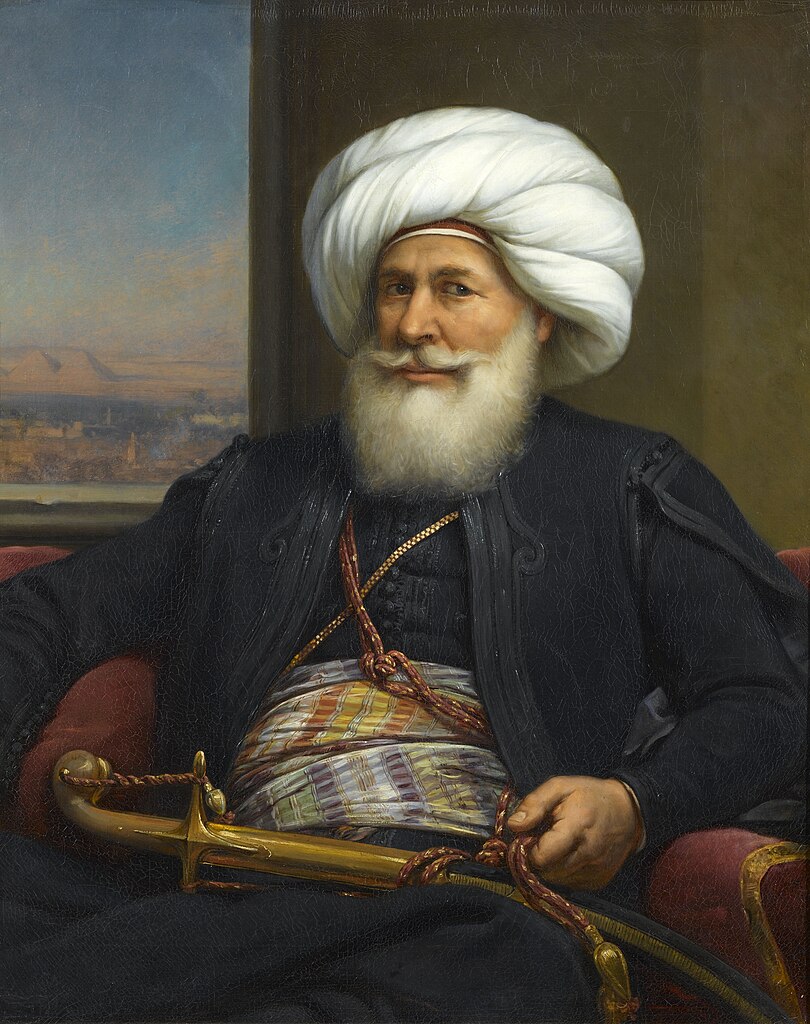
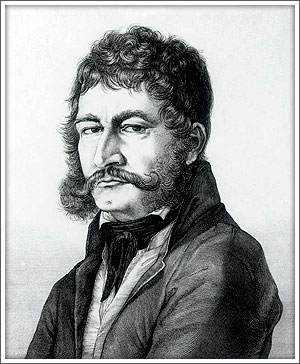
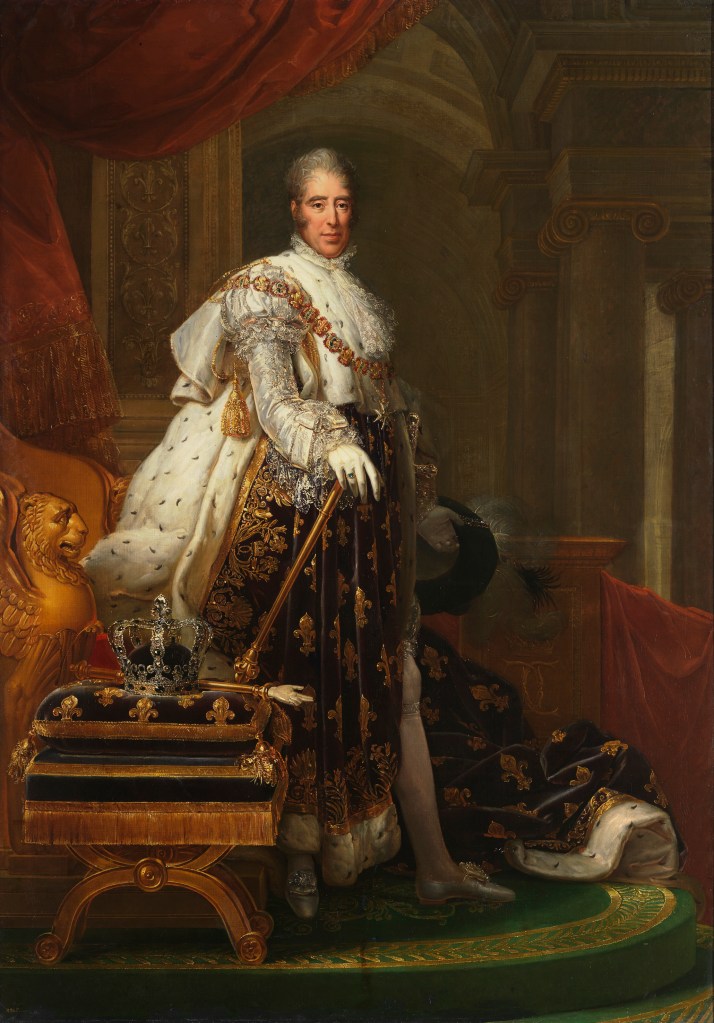
During the reign of Mohamed Ali Pasha, some Egyptian artefacts were presented as gifts by the Pasha. Bernandino Drovetti, the famous antiquities dealer and diplomat, played a role in the journey of the ring from Egypt to the Louvre. He convinced the Pasha to donate, or present, the ring as a gift to King Charles X of France.
Source: Wikipedia
On the 25
On the 25th of July 1827, the ring arrived at the Louvre Museum, and since then has been displayed together with other ancient Egyptian artefacts. It is displayed in Hall No. 641, Display no.6, Department of Ancient Egyptian Antiquities.
 The Horse in Word and Picture